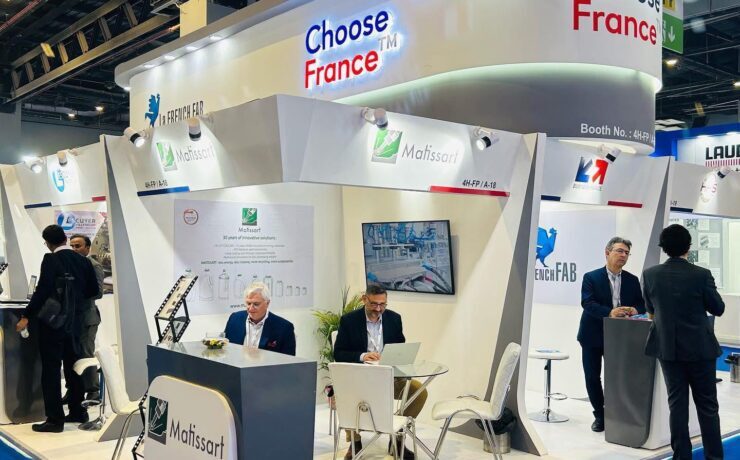

Why Exhibition Stall Design Matters More Than Ever for Trade Show Success

The modern trend of trade shows has changed. In the old days, mere presence at the fair along with an exhibition stall made one unique, and there were enough focus and attention on that alone. But times have changed. Now, the spectators at the fair have become quite select and are short on time, and the number of brands that appear before their eyes is measured in hundreds every day. In this context, an exhibition stall design becomes one of the foremost factors that determine the success of trade shows.
Your stall is more than just a booth. It is the starting point, the conversation opener, and in some cases, the deciding factor between stopping or passing by. This is where exhibition stall design is most essential in today’s trade shows, more than ever before.
The Changing Nature of Trade Shows
This trade show has come a long way. The trade show today is much faster, much more competitive, and much more experiential than its predecessors. Visitors today do not have time to see all of the booths.
Most attendees:
- Quickly scan the exhibition floor
- Make Referee Decisions Within Seconds
- Like well-organised, functional, and friendly environments
As such, the design of the stall becomes a non-verbal communicator in that it conveys to the visitors the stand of the brand before a single person utters a single word.
Why First Impressions Decide Everything
In the context of a trade show, first impressions are made in split seconds. People notice lighting, layout openness, and visual balance rapidly.
Well designed exhibition stall:
- Appears attractive, not congested
- It effectively communicates what the brand offers
- Feels easy to enter and explore
Conversely, poorly designed stalls can cause confusion too. Even the best brands suffer lost opportunities because of the stall that fails to offer the kind of engagement that is expected.
Exhibition Stall Design Is More Than Visual Appeal
In most cases, people will always perceive the design of an exhibition booth as an aesthetic aspect. But the reality of the matter at hand is that there’s much more to that.
Proper stall design should emphasize:
- Visitor movement
- Comfort and Spacing
- There Easy communication
- Communication ease reflects
- Placement of elements by functionality
The moment design aligns with functionality, there is a natural flow of conversation. Guests feel neither hurried nor awkward.
How Stall Layout Influences Visitor Behaviour
Layout planning is the most overlooked area of exhibition stall design. Layout planning has a very significant effect on the behavior of people within the stall.
Strong layout:
- Establishes clear entry points
- Avoids bottlene
- Acts as an encouragement for people to spend more time
When the visitors can move about and know where to position themselves, there will be a greater likelihood of their engagement with the brand team.
The Role of Space Planning in Crowded Trade Shows
Trade shows are busy. Peak hours can feel overwhelming, especially in popular exhibitions.
Proper space planning helps:
- Manage crowd flow smoothly
- Prevent congestion inside the stall
- Maintain a calm and professional environment
This is why thoughtful exhibition stall design matters more today, when exhibitions attract large and diverse audiences.
Lighting and Structure: Silent Attention Grabbers
Lighting plays a powerful role in how a stall is perceived. Balanced lighting highlights key areas without being harsh or distracting.
Effective lighting and structure:
- Improve visibility from a distance
- Draw attention to key messages
- Create a comfortable atmosphere
When combined with a clean structure, lighting helps the stall stand out without appearing overwhelming.
Brand Communication Through Design
Exhibition stall design is a form of communication. It tells visitors what the brand does and how it thinks.
Instead of overcrowding the stall with information, good design:
- Highlights core messages
- Uses visual hierarchy wisely
- Keeps communication clear and simple
This approach helps visitors understand the brand quickly, even if they spend only a few minutes at the stall.
Why Functionality Is Now a Priority
Modern trade shows demand functional design. Visual creativity alone is no longer enough.
Functional exhibition stall design considers:
- Where conversations happen
- How products are displayed
- Where staff members stand
When functionality is built into the design, the stall supports smoother interactions throughout the event.
The Importance of Planning Before Design
Design without planning often leads to execution issues. Planning helps align the stall with exhibition goals.
Good planning answers questions like:
- What is the main objective of participation?
- How many visitors can the stall handle at once?
- What type of interaction is expected?
When planning guides design, the final stall feels purposeful and effective.
Execution Matters as Much as Design
Even the best design can fail if execution is poor. Design and fabrication must work together.
Successful execution ensures:
- The stall matches the approved design
- Materials are finished properly
- Installation happens smoothly
This consistency builds trust and professionalism during the event.
Why Visitor Experience Defines Trade Show Success
Trade shows are experiences, not just displays. Visitors remember how a stall made them feel.
A good experience includes:
- Easy entry and exit
- Comfortable interaction space
- Clear communication
Exhibition stall design directly shapes this experience, which is why it plays such a critical role in trade show success.
Modern Trade Shows Demand Strategic Design
Today’s exhibitions are competitive environments where attention is limited. Strategic design helps brands use space wisely and communicate effectively.
Strategic exhibition stall design:
- Supports business goals
- Improves engagement quality
- Reduces on-ground confusion
It allows brands to make the most of limited time and space.
Common Mistakes That Strong Design Helps Avoid
Thoughtful stall design helps avoid common exhibition mistakes, such as:
- Overcrowded layouts
- Poor lighting choices
- Confusing visitor flow
- Unclear branding
Avoiding these mistakes improves both visitor experience and team performance.
Why Exhibition Stall Design Is a Long-Term Investment
Exhibition stall design should not be seen as a one-time expense. Well-planned designs often:
- Work across multiple events
- Support brand consistency
- Reduce future planning effort
This makes design a long-term strategic investment rather than a temporary setup.
The Growing Importance of Design in Competitive Markets
As more brands participate in trade shows, competition increases. Design becomes a key differentiator.
In competitive markets:
- Similar products compete side by side
- Attention spans are short
- Design quality influences perception
This is why exhibition stall design matters more now than it did in the past.
Conclusion: Why Design Can No Longer Be Ignored
Trade shows today are fast-paced, crowded, and experience driven.Trade shows are today characterized by rapid action, high-density crowds, and experiential activities. In this context, exhibition stall design has ceased to be an option. It has become the most imperative component for successful trade shows.
Good design promotes engagement, communication, and comfort. It respectfully directs and informs visitor behavior, as well as enhancing recall of the brand, without demanding attention.
Only when the design of exhibition stalls is done in a planned manner will the design prove to be a productive tool, and the meaning will be achieved in assisting the brand to perform well at the exhibition.