
10 Things Every Event Planner Forgets (and How to Fix Them)

Event planning looks exciting from the outside. Beautiful décor, lighting, packed venues, and happy guests make everything feel perfect. But behind the scenes, event planning is mostly about coordination, timing, and handling small details that many people never see.
Most beginner event planners do not struggle because they lack creativity. They struggle because they forget simple but important things. These small details decide whether an event feels smooth and professional or stressful and unorganised.
Here are 10 things event planners often forget, along with simple ways to fix them before they turn into bigger problems.
1. Power Backup Planning
Almost everything at an event depends on electricity—lights, sound systems, screens, exhibition stalls, and presentations. Still, power backup is often assumed instead of properly checked.
How to fix it:
Always confirm generator capacity, backup duration, and load distribution in advance. Make sure important areas like sound and exhibition zones have dedicated power lines.
When power planning is done right, no one notices. When it fails, everyone remembers.
2. Vendor Arrival Timings
Planners usually have a clear schedule. Vendors often say, “We’ll manage.” This gap causes confusion on event day.
How to fix it:
Create separate timelines for setup start, vendor arrival, final checks, and event opening. Share this schedule at least two days before the event.
Clear timelines reduce last-minute stress and unnecessary phone calls.
3. Storage Space
Crates, packaging, tools, extra décor, and banners do not disappear on their own. Without storage, these items end up scattered backstage.
How to fix it:
Assign a hidden storage area close to the venue in advance. This is especially important for exhibitions, where teams need space for spare materials and tools.
Good storage keeps the venue clean and the team calm.
4. Clear Access Routes
When loading vehicles, vendors, guests, and VIPs all use the same entry, chaos is guaranteed.
How to fix it:
Plan and mark separate routes for vendors, guests, emergency access, and exits. Clear access routes make movement smoother and safer.
In busy cities, smart logistics planning saves time and avoids confusion.
5. Signage Planning
Guests usually do not ask for directions. They walk around confused instead.
How to fix it:
Place clear signage for registration, washrooms, food areas, exhibition zones, and exits. Signs should be visible and easy to understand.
If guests keep asking for directions, the signage has failed.
6. Realistic Sound Checks
Sound checks done in empty halls are misleading. Once people enter, sound behaviour changes.
How to fix it:
Do a final sound check with lights on, background noise present, and a sample crowd if possible. This gives a realistic idea of sound quality.
Good sound control improves the overall event experience.
7. Stall-to-Stall Consistency
At exhibitions, one well-designed stall next to a poorly lit or cluttered one affects the entire event’s look.
How to fix it:
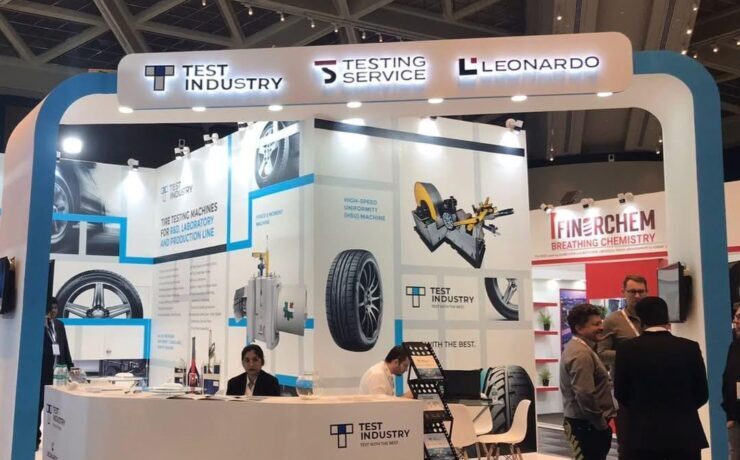
Coordinate early with exhibition stall designers in Mumbai to maintain consistent aisle spacing, balanced lighting, and clean branding rules.
Consistency makes the exhibition feel organised and professional.
8. Emergency Planning
Fire exits, medical support, and crowd control are often ignored because planners assume nothing will go wrong.
How to fix it:
Prepare a basic emergency plan with fire exit details, first-aid contacts, security coordination, and a clear response flow.
In emergencies, safety matters more than décor or themes.
9. On-Ground Decision Authority
When something goes wrong, teams often waste time deciding who should take action.
How to fix it:
Assign one decision-maker for each zone. Define a clear escalation path and allow quick approvals when needed.
Clear authority saves time and prevents confusion.
10. Post-Event Breakdown Planning
Events do not end when guests leave. Most damage happens during rushed dismantling.
How to fix it:
Plan the breakdown sequence, vendor exit timings, waste disposal, and security coverage until the last truck leaves.
Many exhibition stall designers in Mumbai point out that materials are damaged more during breakdown than during the event itself.
Final Thoughts
Successful events are built on careful planning, not last-minute fixes. Small details like power backup, access routes, sound checks, and vendor coordination may seem invisible, but they shape the entire experience.
When these elements work smoothly, no one notices. When they fail, the event is remembered for the wrong reasons.
Listening to experienced vendors, especially exhibition stall designers in Mumbai, helps avoid common planning gaps. They have seen many events fail not because of design, but because important details were overlooked.
Planning is not about controlling panic at the last moment.
It is about thinking ahead.
And thinking ahead is what separates professional event planners from beginners.