Business
[ September 2, 2024 by admin 0 Comments ]

5 Main Types of Exhibition Stands

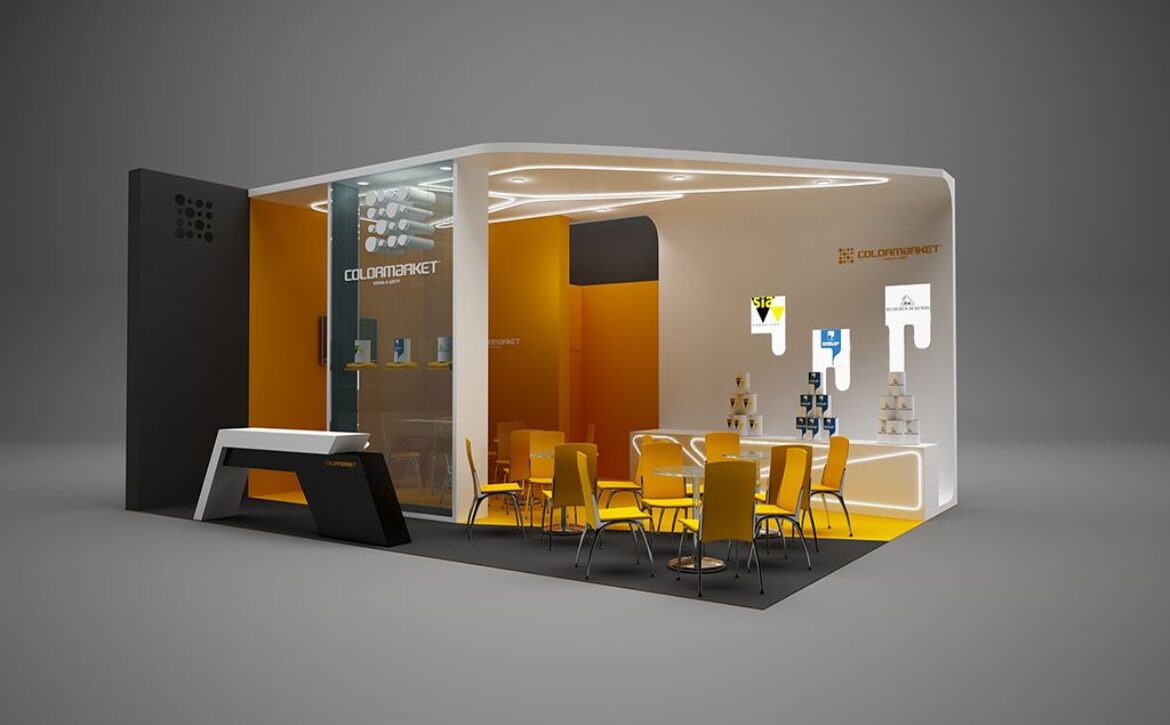
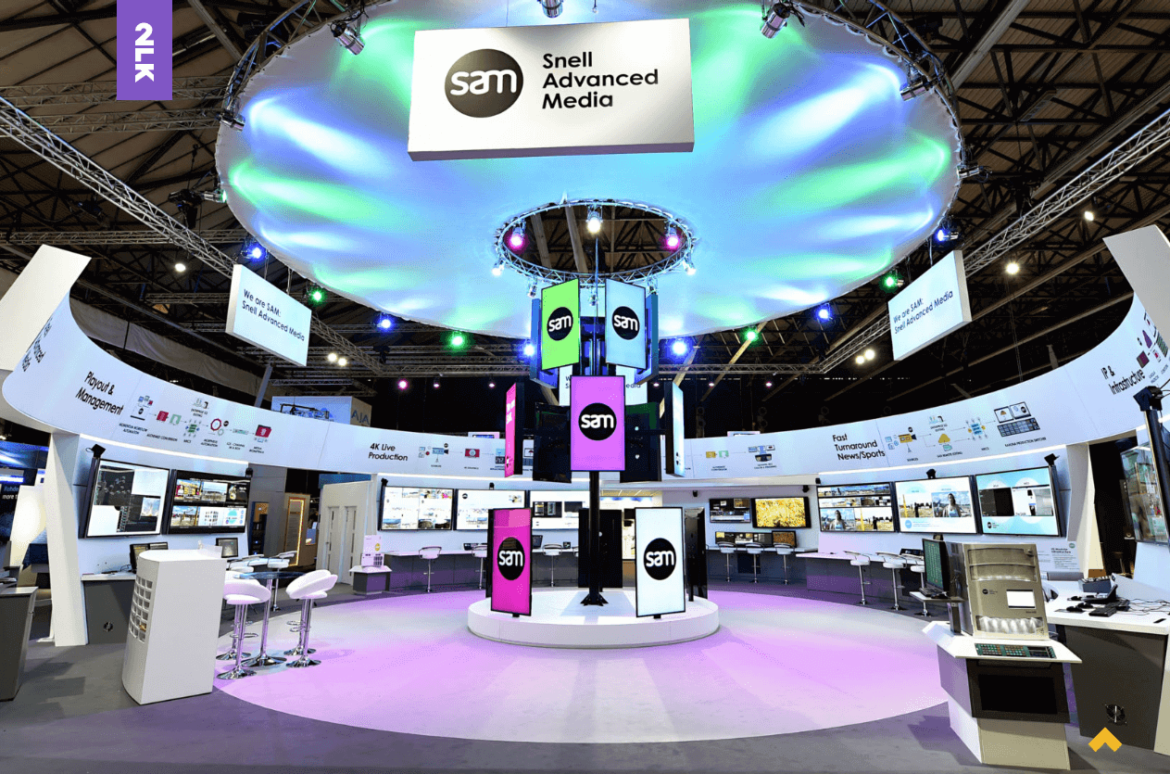
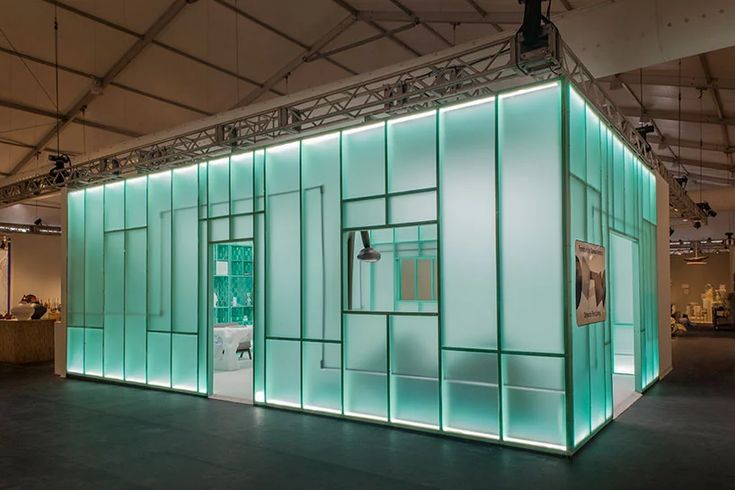
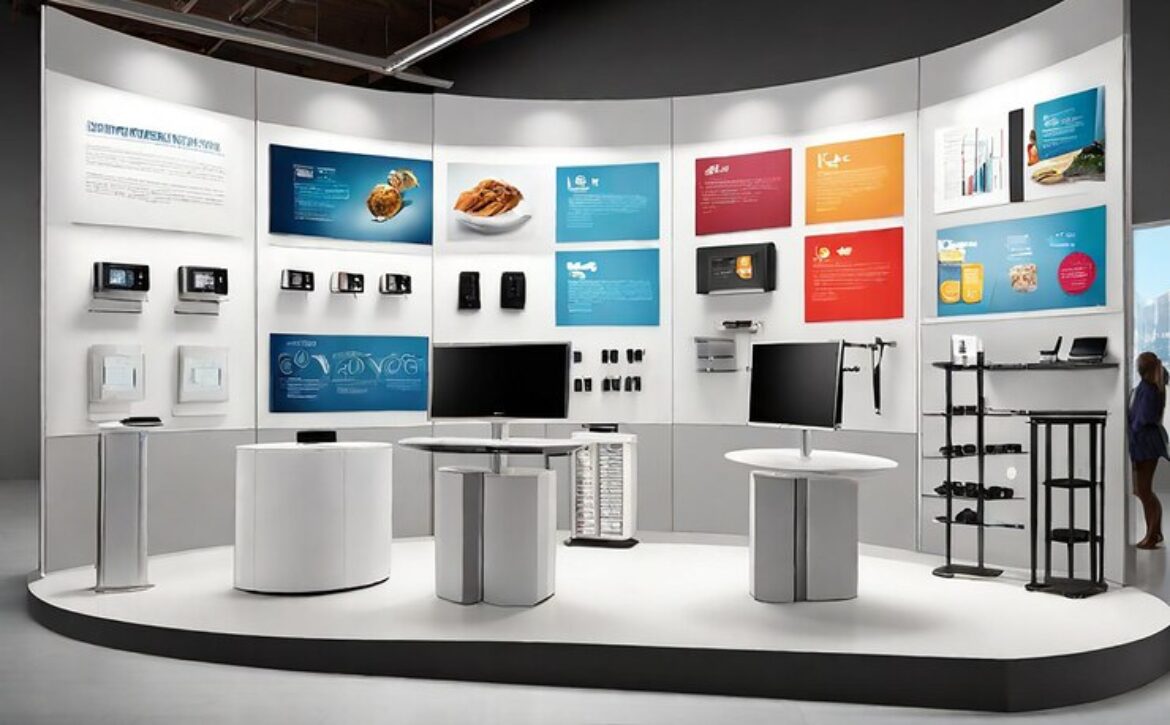
Exhibitions and trade shows provide businesses with the perfect opportunity to showcase their products, services, and brand identity. A well-designed exhibition stand can help businesses attract attention, engage potential customers, and create a lasting impression. However, selecting the right exhibition stand type is crucial for maximizing your trade show success. Main types of exhibition stands serve distinct purposes based on the company’s goals, budget, and the space available. In this blog, we will explore the five main types of exhibition stands, their features, and how to choose the best exhibition stand designer for your needs.

1. Modular Exhibition Stands

Modular exhibition stands are among the most popular types of exhibition stands due to their versatility, reusability, and cost-effectiveness. These stands are built from interchangeable components, making them highly adaptable to different booth sizes, layouts, and event requirements. The modular design allows businesses to easily add or remove sections, creating an entirely new configuration based on the exhibition’s demands.

Key Features:

  • Flexibility: The modular components can be arranged in various layouts, which is particularly useful for companies that attend multiple trade shows and require different booth sizes.
  • Reusable: Modular exhibition stands can be reused at different events, making them cost-effective over time.
  • Customizable: While they come in standard components, modular stands can be customized with brand colors, logos, and messaging to reflect your company’s identity.
  • Easy to Transport: These stands are lightweight and easy to assemble, making transportation and setup hassle-free.

Ideal For:

Businesses that attend multiple exhibitions and need a flexible solution that can be tailored to different show sizes and configurations.

Why Choose Modular Stands:

Choosing a best exhibition stands designer experienced in modular systems ensures that the components are visually appealing, functional, and aligned with your brand’s identity.

2. Pop-Up Exhibition Stands

Pop-up exhibition stands are designed for ease of use, making them ideal for businesses looking for quick setup solutions. These stands consist of a lightweight frame, usually made of aluminum, that “pops up” into place. The graphics and branding material can be attached to the frame, creating a seamless display. They are particularly suitable for small to medium-sized spaces and provide a professional look without requiring a lot of time for setup.

Key Features:

  • Quick and Easy Setup: As the name suggests, pop-up stands are designed to be assembled quickly, making them ideal for exhibitors who need to set up their booth in a short amount of time.
  • Portability: Lightweight and easy to transport, pop-up stands are perfect for businesses that travel frequently to different exhibitions.
  • Cost-Effective: Pop-up stands are relatively affordable compared to custom-built stands, making them a good option for businesses on a tight budget.
  • Professional Appearance: Despite their simplicity, pop-up stands can be fitted with high-quality graphics that give a polished, professional appearance.

Ideal For:

Small to medium-sized businesses or those participating in local trade shows and exhibitions that need an easy-to-assemble and budget-friendly solution.

Why Choose Pop-Up Stands:

Pop-up stands are a great choice for companies that need a professional display with minimal setup time and effort. A best exhibition stands designer can help you create visually impactful graphics that enhance your brand message within the constraints of a simple structure.

3. Custom-Built Exhibition Stands

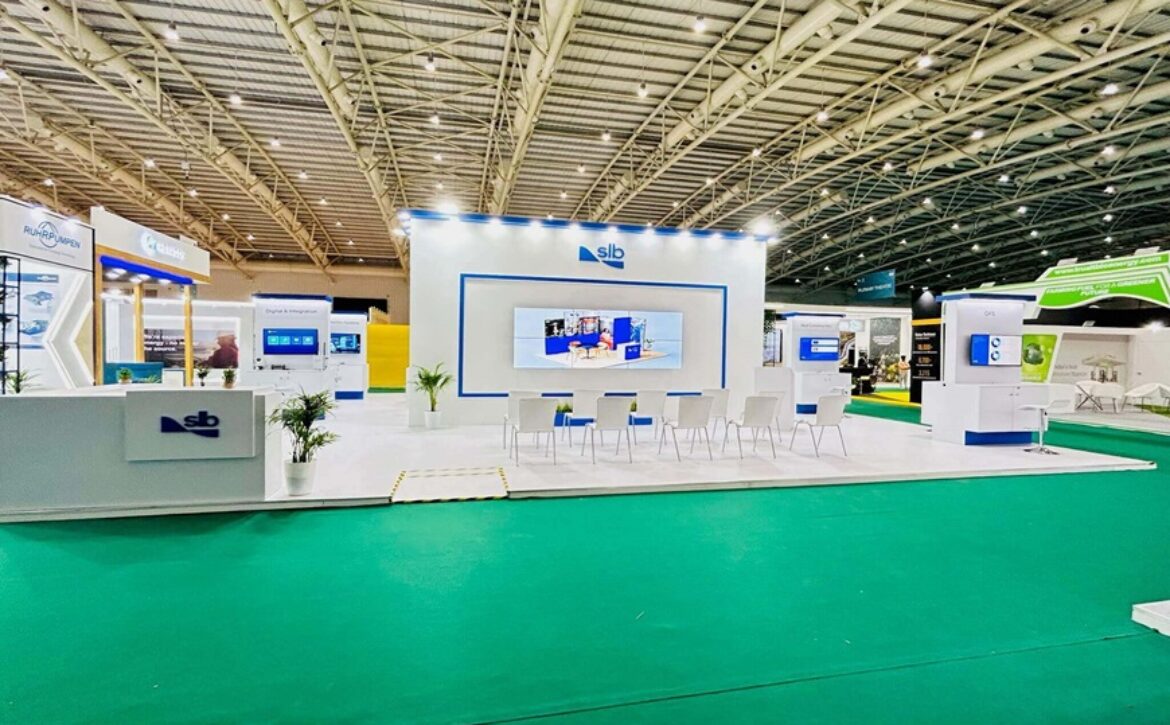
Custom-built exhibition stands are tailored specifically to the needs, brand, and goals of a company. Unlike modular or pop-up stands, custom-built stands offer complete design freedom, allowing businesses to create a one-of-a-kind display that stands out from the crowd. These exhibition stands are perfect for businesses that want to make a bold statement or highlight specific products or services in an immersive and interactive environment.

Key Features:

  • Unique Design: Custom-built stands are designed from the ground up to meet the specific needs and vision of the business, ensuring a unique look that attracts attention.
  • Brand-Centric: Custom-built stands are perfect for companies that want to create an immersive brand experience, with designs that reflect their brand’s colors, values, and message.
  • High-Impact Presence: These stands are often larger and more elaborate, providing a commanding presence on the exhibition floor.
  • Fully Customizable: From the materials used to the lighting, multimedia integration, and furniture, every aspect of the stand can be tailored to suit the company’s vision.

Ideal For:

Larger companies or businesses with bigger budgets that want to create a memorable brand experience and stand out from the competition at large trade shows.

Why Choose Custom-Built Stands:

When you need a custom-built stand, working with the best exhibition stands designer ensures your ideas are executed to perfection. Their expertise can help bring your vision to life and create a stand that captures the essence of your brand while maximizing functionality.

4. Shell Scheme Stands

Shell scheme exhibition stands are pre-built stands provided by the event organizers. These are basic, standardized structures that come in a variety of sizes and usually include walls, lighting, flooring, and sometimes basic furniture. While these stands are simple, businesses can customize the internal space with branding, graphics, and displays to create a more personalized look.

Key Features:

  • Standardized Setup: Shell scheme stands come with a basic structure, which makes them easy to set up with minimal effort from the exhibitor.
  • Cost-Effective: Since the stand structure is provided by the event organizer, businesses only need to invest in branding and graphics, making this a budget-friendly option.
  • Customizable: Although the structure is basic, shell scheme stands can be enhanced with graphic panels, banners, and signage to reflect the company’s branding.
  • Ideal for Small Spaces: These stands are often used in smaller exhibition spaces, making them suitable for businesses that don’t require a large display area.

Ideal For:

Small businesses or first-time exhibitors who want an affordable and straightforward exhibition solution.

Why Choose Shell Scheme Stands:

Although these stands are simple, a best exhibition stands designer can help you transform the space with customized branding elements that give the stand a professional and engaging look.

5. Interactive Digital Exhibition Stands

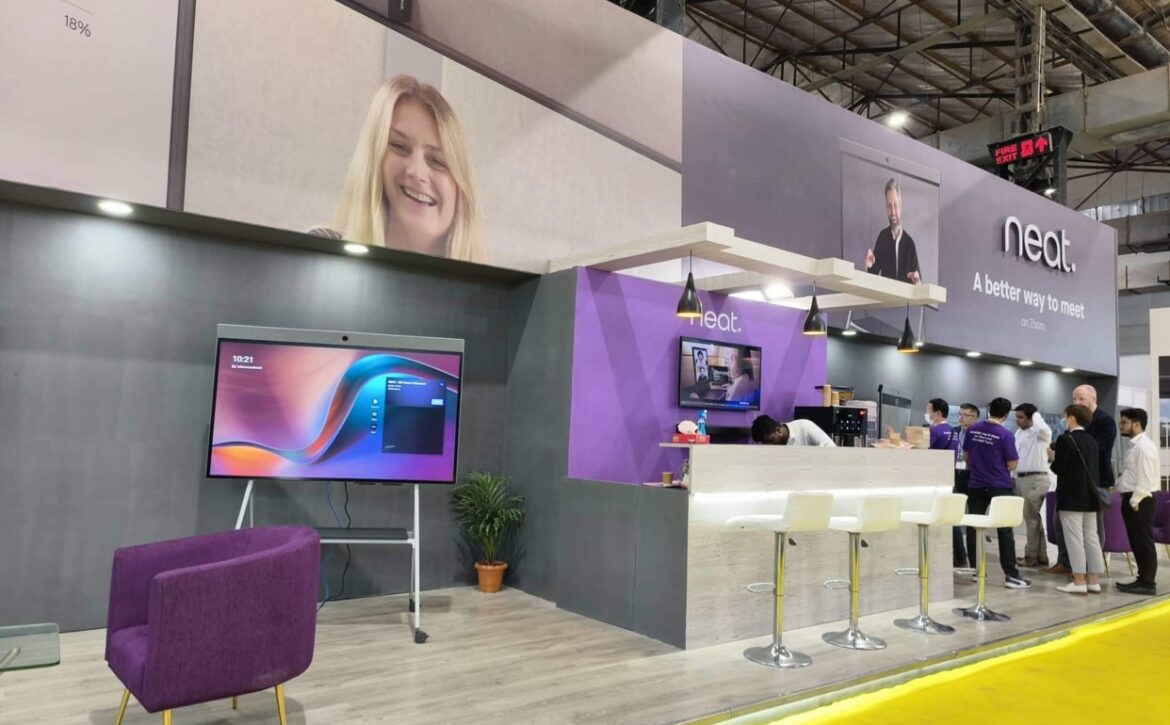
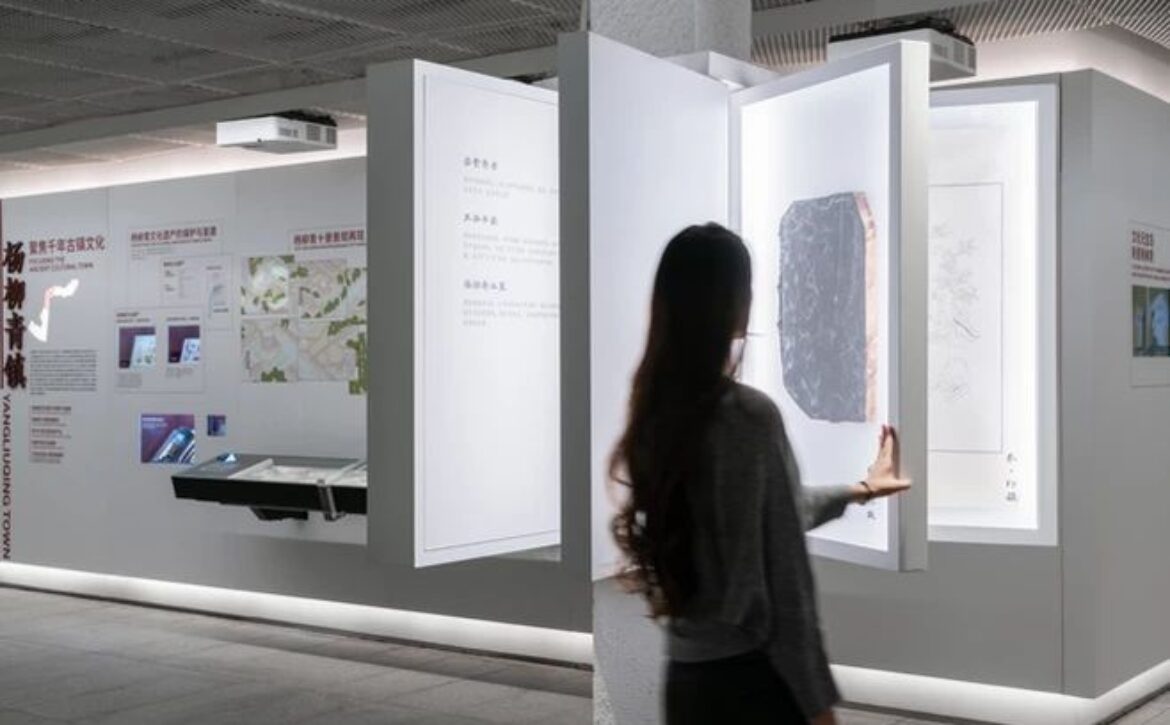
Interactive digital exhibition stands incorporate cutting-edge technology to create engaging and immersive experiences for attendees. These stands utilize digital screens, virtual reality (VR), augmented reality (AR), touch screens, and interactive displays to captivate visitors and provide more dynamic ways of presenting products and services. Interactive stands are ideal for tech-savvy companies or those looking to showcase complex products or services in a modern and innovative way.

Key Features:

  • Engagement Through Technology: Interactive elements such as VR, AR, and touch screens draw visitors in and allow for a more engaging experience.
  • Innovative and Modern: Digital exhibition stands give companies a tech-forward image, helping them stand out in a crowded exhibition space.
  • Customizable Content: Digital displays can be easily updated with new content, allowing businesses to tailor their presentations based on the audience or event.
  • Data Collection: Interactive stands can also incorporate lead capture systems, making it easier to collect visitor data for follow-up after the event.

Ideal For:

Tech companies or businesses showcasing complex products or services that can benefit from interactive demonstrations and experiences.

Why Choose Interactive Digital Stands:

Choosing a best exhibition stands designer skilled in integrating digital elements ensures that the technology enhances the visitor experience and aligns with your brand’s goals.

Conclusion: How to Choose the Right Exhibition Stand for Your Business

Choosing the right exhibition stand depends on several factors, including your budget, brand identity, the scale of the exhibition, and the goals you want to achieve. Here’s a quick guide to help you select the most suitable type of exhibition stand:

  1. Modular Exhibition Stands – Perfect for businesses that need a versatile, reusable stand that can adapt to different spaces.
  2. Pop-Up Exhibition Stands – Ideal for smaller businesses or those on a budget looking for a professional yet simple setup.
  3. Custom-Built Exhibition Stands – Best for larger companies looking to make a bold, unique statement and have the budget for a fully tailored design.
  4. Shell Scheme Stands – Affordable and straightforward, shell scheme stands are great for small businesses or first-time exhibitors.
  5. Interactive Digital Stands – Ideal for tech-savvy companies or those who want to create an engaging, modern experience using digital elements.

No matter what type of exhibition stand you choose, partnering with the best exhibition stands designer is essential for bringing your vision to life. A skilled designer can help you create a stand that not only attracts attention but also reflects your brand’s personality, values, and goals. Whether you’re attending a small local trade show or a large international exhibition, the right stand can be the key to maximizing your success and standing out from the competition.

Final Thoughts:

Exhibition stands are the face of your brand at any trade show. By selecting the right type and working with experienced designers, you can create a display that resonates with your target audience, delivers your message effectively, and leaves a lasting impact on visitors. Make sure to assess your business needs and objectives to find the perfect fit among the different types of exhibition stands available.

Business
[ August 26, 2024 by admin 0 Comments ]

The Role of Technology in Modern Exhibitions: A Game-Changer in the Event Industry

Exhibitions, once limited to traditional methods of showcasing products, services, and brands, have undergone a profound transformation. This change can be attributed largely to the role of technology in modern exhibitions. The integration of innovative technological tools and solutions has revolutionized how exhibitors engage with attendees, design their exhibition booths, and create lasting impressions. This shift has enhanced both the exhibitor and attendee experience, ensuring that exhibitions are more dynamic, engaging, and impactful.

The Impact of Technology on Exhibitions

Technology’s influence on exhibitions is multifaceted, ranging from the design of exhibition booths to the way information is shared and experiences are created. Its impact can be categorized into several key areas:

  1. Enhanced Attendee Engagement: One of the most notable effects of technology on exhibitions is the heightened level of attendee engagement. Traditional static displays are no longer sufficient in capturing the attention of modern audiences. Today, interactive touchscreens, virtual reality (VR), augmented reality (AR), and immersive experiences have become standard in exhibition booth design.

    Attendees can now explore products in 3D, interact with holographic displays, and even participate in virtual demonstrations. For example, a company showcasing a new piece of machinery can allow attendees to explore its features through an AR app, providing a hands-on experience without the need for physical interaction. This level of engagement not only captures the attention of visitors but also leaves a lasting impression, increasing the likelihood of post-event conversions.
  2. Personalized Experiences: Technology has enabled exhibitors to create personalized experiences tailored to the specific interests of attendees. Through data analytics and artificial intelligence (AI), exhibitors can collect data about attendees’ preferences, behavior, and interactions. This data can then be used to personalize the content shown at the booth. For instance, a company can display different product information based on the attendee’s industry or interests, creating a more relevant and meaningful experience.

    Moreover, technologies such as RFID (Radio Frequency Identification) and beacon technology can track attendee movement throughout the exhibition, offering insights into the most visited areas and the time spent at various booths. This information allows exhibitors to refine their strategies in real-time and improve future exhibitions.
  3. Improved Exhibition Booth Design: The design of exhibition booths has evolved significantly due to advancements in technology. Gone are the days of simple banners and static displays. Today, booths are equipped with high-resolution LED screens, interactive kiosks, and even robotic assistants that guide attendees through the booth. This not only enhances the aesthetic appeal of the booth but also creates a more interactive and memorable experience for visitors.

    In addition to this, 3D printing technology has enabled exhibitors to create custom booth components with intricate designs and unique structures that were previously difficult to achieve. These advancements in c allow brands to stand out and make a bold statement, attracting more foot traffic and engagement.
  4. Seamless Information Sharing: Technology has revolutionized how information is shared at exhibitions. Instead of handing out physical brochures and catalogs, exhibitors now use digital platforms to share information. Attendees can scan QR codes to download product details, view promotional videos, or connect with the brand on social media. This not only reduces the clutter associated with physical materials but also allows for more efficient information dissemination.
    Furthermore, exhibitors can use digital signage and displays to showcase real-time data, product updates, and even live social media feeds. This dynamic approach to information sharing keeps attendees informed and engaged throughout the event, fostering a deeper connection between the brand and its audience.
  5. Virtual and Hybrid Exhibitions: The COVID-19 pandemic accelerated the adoption of virtual and hybrid exhibitions, and technology played a crucial role in making this transition possible. Virtual exhibitions allow exhibitors to reach a global audience without the limitations of physical space or geography. Platforms like Zoom, Microsoft Teams, and custom-built virtual event platforms have enabled exhibitors to host virtual booths, live demos, and even one-on-one meetings with attendees.

    Hybrid exhibitions, which combine both in-person and virtual elements, have become increasingly popular. This format offers the best of both worlds, allowing exhibitors to engage with a physical audience while simultaneously reaching a global virtual audience. Technology plays a critical role in ensuring a seamless experience for both in-person and virtual attendees, enabling live streaming, real-time interaction, and online networking opportunities.
  6. Increased ROI through Data Analytics: One of the most significant impacts of technology on exhibitions is the ability to measure and analyze data in real-time. Exhibitors can track attendee engagement, booth traffic, lead generation, and conversion rates with greater precision than ever before. Data analytics tools provide valuable insights into what strategies are working and which areas need improvement.

    For example, by analyzing the number of visitors to a booth, the duration of their stay, and their interactions with different touchpoints, exhibitors can determine which elements of their booth are most effective. This data can then be used to optimize future exhibitions, ensuring a higher return on investment (ROI).
  7. Sustainability and Eco-Friendly Exhibitions: As sustainability becomes a growing concern in the event industry, technology has provided solutions for creating more eco-friendly exhibitions. The use of digital materials, virtual displays, and energy-efficient lighting has reduced the need for physical resources and minimized the environmental impact of exhibitions. Additionally, virtual and hybrid exhibitions have reduced the carbon footprint associated with travel, making it easier for companies to showcase their products without contributing to environmental degradation.

    Exhibition booth design has also evolved to include sustainable materials and practices, such as using recycled materials for booth structures and energy-efficient technologies to power displays. This not only benefits the environment but also resonates with attendees who value sustainability and eco-conscious practices.
  8. Streamlined Event Management: The role of technology extends beyond the exhibition booth itself; it also plays a vital role in event management. Event organizers now use advanced software and apps to streamline various aspects of the exhibition, from registration and ticketing to booth assignment and attendee tracking.

    For instance, exhibitors can use event management software to track registrations, send automated email reminders, and manage attendee data. Mobile apps allow attendees to view the event schedule, navigate the exhibition floor, and even connect with exhibitors through in-app messaging. This level of convenience enhances the overall experience for both exhibitors and attendees, ensuring a smooth and efficient event.
  9. Augmented Networking Opportunities: Exhibitions have always been about networking, and technology has taken this to the next level. Today, exhibitors and attendees can connect through digital platforms, exchange contact information via NFC (Near Field Communication) technology, and schedule meetings through event apps. This streamlines the networking process, making it easier for exhibitors to connect with potential clients and partners.

    Virtual exhibitions also offer enhanced networking opportunities, with platforms that allow attendees to participate in virtual meetups, live chats, and video calls. These tools facilitate connections between exhibitors and attendees, even when they are located in different parts of the world.

Key Technologies Shaping Modern Exhibitions

Several specific technologies have had a profound impact on the exhibition industry, reshaping how events are designed and experienced. Some of these include:

  • Virtual Reality (VR): VR allows exhibitors to create immersive, 360-degree experiences that transport attendees into virtual environments. This is particularly useful for industries like real estate, architecture, and automotive, where virtual tours can showcase products in a realistic setting.
  • Augmented Reality (AR): AR overlays digital elements onto the physical world, allowing attendees to interact with products in new ways. AR apps can provide additional product information, show product features in action, and even allow attendees to visualize how a product would look in their own space.
  • 3D Printing: 3D printing has revolutionized exhibition booth design, allowing exhibitors to create custom booth components with intricate designs that were previously impossible to achieve. This technology also enables rapid prototyping, allowing companies to showcase new product designs without the need for expensive manufacturing processes.
  • Beacon Technology: Beacons are small wireless devices that communicate with attendees’ smartphones via Bluetooth. Exhibitors can use beacon technology to send targeted messages, promotions, or information to attendees as they approach the booth. This creates a more personalized and engaging experience for visitors.
  • Interactive Touchscreens: Interactive touchscreens allow attendees to explore products, view videos, and interact with digital content at their own pace. These screens are often integrated into exhibition booth designs, providing a hands-on experience that encourages attendee engagement.

The Future of Technology in Exhibitions

As technology continues to evolve, so too will its role in exhibitions. Emerging technologies like AI-powered chatbots, facial recognition, and holographic displays will further enhance the exhibitor and attendee experience. The continued integration of virtual and augmented reality will allow for even more immersive and personalized experiences, while data analytics will continue to drive insights and improve ROI.

Moreover, as sustainability becomes an increasingly important consideration, technology will play a crucial role in creating eco-friendly exhibitions that minimize waste and reduce the environmental impact of events.

Conclusion

The impact of technology on exhibitions cannot be overstated. From enhancing attendee engagement and improving exhibition booth design to streamlining event management and increasing ROI, technology has transformed every aspect of the exhibition industry. As we look to the future, the continued adoption of innovative technologies will ensure that exhibitions remain dynamic, engaging, and relevant in an ever-evolving landscape. For exhibitors, embracing these technological advancements is not just an option—it’s a necessity for staying competitive and creating memorable, impactful experiences that resonate with attendees long after the event is over.

Business
[ July 18, 2024 by admin 0 Comments ]

Corporate Event Management Blueprint: Essential Knowledge and 7 Processes to Success

Corporate event management is an essential strategy for businesses aiming to boost their brand presence, engage with clients, and foster stronger relationships within the corporate environment. Whether it’s a product launch, annual meeting, or a team-building event, executing a flawless corporate event can make a significant impact on your company’s image.

In India, with the growing demand for professional events, companies increasingly turn to specialized companies, like Skyline Event Management, renowned for delivering top-notch corporate events across the nation. If you’re looking for the best corporate event management in India, this blueprint is your ultimate guide.

Understanding Corporate Event Management

Corporate event management involves planning, organizing, and executing events aimed at a business or corporate audience. These events can range from conferences, seminars, workshops, and product launches to more casual team-building activities or retreats. The primary objective is to create value for the participants while aligning with the organization’s strategic goals.

Why Is It Important?

  1. Brand Image and Awareness: Corporate events are an effective platform to showcase your brand values, launch new products, or announce significant changes.
  2. Networking Opportunities: Events allow stakeholders, employees, and customers to build relationships and strengthen the company’s network.
  3. Employee Engagement: Events like team-building activities foster morale and enhance company culture.
  4. Lead Generation and Sales: Events provide an opportunity to attract new customers, foster partnerships, and generate leads.
  5. Customer Retention: High-quality events leave lasting impressions, encouraging loyalty and strengthening client relationships.

The 7 Essential Processes to Successful Corporate Event Management

Planning a corporate event can be an overwhelming task without proper organization and a clear framework. Following these seven key processes will ensure that your event runs without a hitch, from conception to execution.

1. Define the Event’s Objectives

Every corporate event must have clear and measurable objectives. Before diving into logistics, determine why you’re hosting the event and what you want to achieve. These objectives could range from:

  • Launching a new product.
  • Engaging with key stakeholders.
  • Improving employee collaboration and teamwork.
  • Gaining media attention or press coverage.

For example, if you’re launching a new service, your objective might be to attract at least 200 clients or press attendees. On the other hand, a team-building retreat might have the goal of fostering cross-departmental collaboration among 100 employees.

2. Establish the Budget

An effective corporate event management strategy must be aligned with a realistic budget. Having a clear budget helps control costs and ensures that you allocate funds to the right areas—venue, catering, entertainment, technology, and staffing.

Some essential budget categories include:

  • Venue hire: Ensure you account for security deposits and extra charges.
  • AV equipment and technology: For presentations, lighting, sound, etc.
  • Catering: Include meals, snacks, and beverages, along with dietary accommodations.
  • Marketing: Email campaigns, social media promotions, and invitations.
  • Staffing and logistics: On-ground event support.

If you work with a company like Skyline Event Management, they can help you devise a budget that covers all these essentials without unnecessary expenses. They are known as one of the best corporate event management in India, and their budgeting strategy ensures a high return on investment.

3. Design a Detailed Event Plan

The event plan is your roadmap, outlining every step of the event’s lifecycle. This includes:

  • Timelines and deadlines: From initial planning stages to final execution.
  • Task delegation: Who will handle various aspects like venue booking, promotions, and logistics?
  • Agenda: Create a clear agenda for the event itself, including keynote speakers, activities, and breaks.
  • Contingency plan: Prepare for potential challenges such as technology malfunctions or bad weather (if it’s an outdoor event).

4. Select the Right Venue and Vendors

Selecting the right venue is one of the most crucial decisions in corporate event management. The venue should align with the theme and scale of the event. Additionally, it must be accessible, with appropriate facilities for your audience.

Consider the following factors when selecting a venue:

  • Capacity: Ensure the venue can accommodate your expected guest list.
  • Location: It should be convenient for attendees, with available parking or transportation.
  • Amenities: Does the venue provide the AV equipment you need, or will you have to hire it separately?

When it comes to vendors, selecting trustworthy caterers, AV teams, and security personnel is equally essential. Companies like Skyline Event Management often have strong relationships with top venues and vendors, ensuring a seamless experience.

5. Market the Event Effectively

Even the most well-planned event won’t be successful without a marketing strategy to drive attendance. 

Some marketing strategies include:

  • Email Campaigns: Sending invitations and reminders to your client list.
  • Social Media Promotion: Use platforms like LinkedIn, Facebook, and Twitter to promote your event.
  • Event Website or Landing Page: Provide all essential details (date, venue, agenda) and enable easy RSVPs.
  • Partnerships and Sponsorships: Partner with relevant companies to extend your reach and attract attendees through their networks.

6. Manage Event Day Operations

On the day of the event, meticulous execution is vital. Ensure that your team is well-prepared to handle last-minute changes, and have a checklist to stay on top of all aspects of the event.

Key focus areas for the event day include:

  • Registration Desk: A well-organized entry process ensures smooth check-ins and sets the tone for the event.
  • Audio-Visual Setup: Ensure microphones, projectors, and other technical components are fully functional.
  • Stage Management: Speakers and presenters should be briefed on their roles and the event agenda.
  • Logistics: Coordinating with catering, security, and any external vendors to make sure everything runs seamlessly.

7. Evaluate the Event’s Success

Post-event evaluation is critical for understanding how successful your event was and what improvements can be made in the future. Gather feedback from attendees, sponsors, and team members.

You can measure the event’s success by:

  • Feedback Forms: Send post-event surveys to attendees asking about their experience, what they enjoyed, and areas that could be improved.
  • KPIs: Measure against key performance indicators (KPIs) set during the planning stage—whether attendance targets were met, how many leads were generated, etc.
  • Internal Debrief: Hold a meeting with your team to review what worked well and what didn’t. This will help refine processes for future events.

Why Choose Skyline Event Management?

If you’re seeking the best corporate event management in India, we are  the go-to solution. Here’s why Skyline Event Management stands out:

  1. Tailored Solutions: They create customized plans that suit your business objectives.
  2. Budget-Friendly Packages: Get the most value from your investment, ensuring cost-effective events.
  3. Wide Network of Partners: Their connections with top venues, vendors, and service providers guarantee quality.
  4. Innovative Ideas: From creative themes to cutting-edge technology, Skyline ensures your event is memorable.

By choosing Skyline, you are guaranteed not only a smooth execution but also a remarkable experience for your attendees, strengthening your corporate brand.

Conclusion

Corporate event management is more than just booking a venue and arranging a few speakers. It’s a strategic process that requires detailed planning, strong partnerships, and efficient execution. By following the seven processes outlined in this blueprint—defining objectives, budgeting, planning, choosing the right venue, marketing effectively, executing on the day, and post-event evaluation—you’ll be well on your way to success.

For those in India, companies like Skyline Event Management can help you navigate the complexities of corporate events, ensuring your next event is a massive success.

If you’re looking for the best corporate event management in India, Skyline’s expertise and innovation make them an excellent choice to bring your vision to life.

Business
[ July 11, 2024 by admin 0 Comments ]

The Importance of Color Branding and Graphics in Exhibitions

In the world of exhibitions, where competition is fierce and the stakes are high, standing out from the crowd is crucial. These components effectively convey a brand’s identity and message besides attracting attention. This blog looks at the significance of color brands and visuals in exhibitions, highlighting how they may improve an exhibition’s overall success and the experience of visitors.

The Role of Color Branding in Exhibitions

Creating an aesthetic that resonates with your audience is the objective of color branding in exhibitions, and extends beyond just choosing a color scheme. In exhibitions, color branding plays a pivotal role in:

a. Establishing Brand Identity

Colors evoke emotions and create associations that can significantly impact how visitors perceive your brand. For instance, vibrant colors like red and yellow are often associated with energy and excitement, while cooler tones like blue and green can convey trust and calm.

b. Enhancing Visual Appeal

In a crowded exhibition space, visual appeal is crucial. Bright, bold colors can draw attention from a distance, while more subdued hues can create a sophisticated and professional appearance. The strategic use of color can guide visitors’ eyes to key elements of your exhibit, ensuring that your most important messages are seen.

c. Creating a Memorable Experience

Color plays a significant role in creating a memorable exhibition experience. When visitors encounter a visually appealing and well-branded booth, they are more likely to remember it and associate it positively with your brand. This can lead to increased brand recall and a stronger impression, which is essential for standing out in the minds of potential customers.

The Impact of Exhibition Graphics Design

Exhibition graphics design is another crucial aspect of creating a successful exhibit. Here’s how effective exhibition graphics design can make a difference:

Communicating Key Messages

Graphics are a primary means of conveying information quickly and effectively. In an exhibition setting, visitors often have limited time and attention spans. Well-designed graphics can help communicate key messages and highlight important information at a glance. This can include product features, company values, or promotional offers. Clear, concise, and visually appealing graphics ensure that your message is delivered efficiently.

Guiding Visitor Flow

Effective exhibition graphics design can help guide visitor flow within your booth. By using directional signage, wayfinding elements, and layout design, you can create a logical and engaging path for visitors to follow. Strategic placement of graphics can lead visitors through your booth and keep them engaged.

Reflecting Brand Personality

Graphics are a reflection of your brand’s personality and values. Whether you’re using modern, sleek designs or more traditional, classic visuals, the style and execution of your graphics should align with your brand’s overall image.

Attracting and Engaging Visitors

Attractive and engaging graphics can capture visitors’ attention and draw them to your booth. Engaging graphics can also create a more immersive experience.

Integrating Color Branding and Graphics for Maximum Impact

To achieve the best results, it’s essential to integrate color branding and graphics seamlessly. Here’s how to effectively combine these elements:

a. Consistent Color Scheme

Ensure that your color branding is consistent across all graphics and elements of your exhibit. This consistency helps reinforce your brand’s identity and creates a cohesive look. Use your brand’s primary colors in key areas such as signage, banners, and promotional materials. Complement these with secondary colors that enhance the visual appeal without overwhelming the main brand colors.

b. Harmonious Design

The design of your graphics should complement your color branding. Avoid using too many conflicting colors or overly complex designs that can distract from your message. Instead, focus on creating harmonious visuals that enhance the overall aesthetic of your booth. Use color strategically to highlight important elements and guide visitors’ attention.

c. Clear Messaging

While color and graphics are crucial, clarity of messaging is equally important. Ensure that your graphics are not only visually appealing but also clear and easy to understand. Avoid clutter and focus on presenting information in a concise and straightforward manner.

d. Interactive Elements

Incorporate interactive elements into your graphics to engage visitors and create a memorable experience. This can include touchscreens, interactive displays, or augmented reality features.

Measuring the Impact of Color Branding and Graphics

Evaluating the effectiveness of your color branding in exhibitions and graphics is crucial for understanding their impact and making improvements for future exhibitions. Here are some ways to measure success:

Visitor Feedback

Collect feedback from visitors about their experience with your booth. Ask questions about the visual appeal, clarity of information, and overall impression. This feedback can provide valuable insights into how your color branding and graphics are perceived.

Engagement Metrics

Track engagement information like the amount of people that visit your booth, how long they remain there, and how much they interact with your displays and graphics. Examine the statistics to find exactly which elements performed most effectively in pulling viewers in and encouraging interaction

Post-Event Analysis

Conduct a post-event analysis to assess the overall success of your exhibit. To assess the overall effectiveness of your spectacle, conduct a post-event analysis. Go over your objectives and targets again, and assess the extent to which your color brand and graphics help you accomplish them. Utilize this information to identify areas in require improvement and improve your plan for upcoming shows.

Increase Your Stall Presence With Skyline Events

Color branding and graphics are integral components of a successful exhibition strategy.  At Skyline events, we try to understand the expectations and requirements of our clients by having regular brainstorming sessions with them. The ideas we collect are put to use by our designers to formulate attractive designs that make these ideas a reality.

Business
[ July 4, 2024 by admin 0 Comments ]

How Lighting Can Effectively Enhance Your Exhibition Stand Design

When it comes to exhibition stands, the design plays a crucial role in attracting visitors, conveying your brand message, and creating a lasting impression. Among the various elements that contribute to a successful stand design, lighting stands out as one of the most impactful. Proper lighting not only enhances the visual appeal of your stand but also guides the visitor’s attention to key areas, sets the mood, and reinforces your brand identity.

The Importance of Lighting in Exhibition Stand Design

Here’s why lighting is so crucial:

  • Attraction: The right lighting can make your stand more eye-catching from a distance, drawing visitors in.
  • Focus: Lighting can be used to highlight specific areas of your stand, such as products, promotional materials, or branding elements.
  • Ambience: The type of lighting you use can set the tone for your stand. For instance, warm lighting can create a welcoming and comfortable atmosphere, while cool lighting can convey professionalism and modernity.
  • Branding: For example, if your brand is associated with innovation and technology, LED lights in shades of blue or white might be appropriate.
  • Interaction: Interactive lighting, such as motion-activated lights or color-changing LEDs, can engage visitors in a way that static lighting cannot.

Different Types of Exhibition Lights

To make the most of lighting in your exhibition stand design, it’s important to understand the different types of exhibition lights available and how they can be used effectively.

1. Spotlights

Spotlights are a popular choice for exhibition stands because of their ability to focus light on a specific area. Spotlights can be adjusted in terms of direction and intensity, giving you control over the look and feel of your stand.

Use spotlights to create contrast by illuminating specific items against a darker background. This makes the highlighted object stand out even more.

2. Floodlights

Floodlights provide broad illumination and are excellent for lighting up large areas of your exhibition stand. They are especially useful if your stand is spread over a considerable space and you want to ensure that it is evenly lit.

Floodlights are best used for general lighting to ensure that the entire stand is well-lit. However, be careful not to overuse them, as they can make your stand appear flat and uninspiring without additional accent lighting.

3. LED Lights

LED lights are a versatile and energy-efficient option for exhibition stands. They come in a variety of colors, intensities, and forms, from strip lights to bulbs.

LED strip lights can be used along the edges of displays, under counters, or around signage to add a sleek and contemporary look. Consider using programmable LEDs to change colors or create movement, which can attract more attention.

4. Backlighting

Backlighting is the technique of placing a light source behind an object or display to create a glowing effect.

Use backlighting behind translucent materials, such as frosted glass or fabric, to create a soft, diffused light that adds depth to your display. It’s also great for highlighting text or graphics on panels.

5. Accent Lighting

Accent lighting is used to highlight particular elements within your stand, such as architectural features, signage, or product displays. It is usually softer than spotlights but more focused than floodlights.

Accent lighting can be strategically placed to create shadows or highlights that add texture and depth to your stand, making it more visually interesting.

6. Track Lighting

Track lighting consists of a series of lights mounted on a track, which can be adjusted to point in different directions. This allows for flexibility in directing light to various parts of your stand as needed.

Use track lighting for adjustable, directional lighting that can be changed throughout the day to adapt to different lighting conditions or to focus on different areas as the exhibition progresses.

7. Interactive Lighting

Interactive lighting includes lights that respond to movement, touch, or other inputs. These can create an engaging experience for visitors and make your stand more memorable.

Incorporate interactive lighting in areas where you want to encourage visitor interaction, such as product demos or information kiosks.

How Top Exhibition Stand Builders Use Lighting

Top exhibition stand builders understand the importance of different types of exhibition lights and use it as a key element in their designs. Here’s how they incorporate lighting into their stand designs to enhance the overall experience:

  1. Customized Lighting Plans: Top builders create customized lighting plans that align with the specific goals and branding of the client. This involves selecting the right types of lights, positioning them strategically, and choosing the correct color temperatures and intensities.
  1. Integration with Stand Design: Lighting is integrated into the overall design of the stand from the early planning stages. This ensures that the lighting complements other elements such as graphics, materials, and the layout of the stand.
  1. Innovative Lighting Solutions: Leading builders stay on top of the latest trends in lighting technology and use innovative solutions such as smart lighting systems, wireless controls, and energy-efficient LEDs to create stands that are both visually stunning and environmentally friendly.
  1. Attention to Detail: Top builders pay attention to details such as the placement of power sources, the concealment of wiring, and the avoidance of glare or shadows that could detract from the stand’s appearance.
  1. Client Collaboration: Experienced builders work closely with their clients to understand their objectives and preferences, ensuring that the lighting design reflects the brand’s personality and meets the specific needs of the exhibition.

Tips for Using Lighting in Your Exhibition Stand

To make the most of lighting in your exhibition stand, consider the following tips:

  • Plan Ahead: Don’t leave lighting as an afterthought. Consider it an integral part of your stand design from the beginning. This will ensure that all elements work together harmoniously.
  • Layer Your Lighting: Use a combination of general, accent, and task lighting to create a layered effect. This adds depth to your stand and makes it more visually appealing.
  • Consider the Visitor Experience: Think about how visitors will interact with your stand. Use lighting to create a path through the stand, highlight important information, and set the mood.
  • Stay True to Your Brand: Choose lighting that reflects your brand’s identity. For example, if your brand is all about sustainability, consider using eco-friendly lighting options.
  • Test Your Lighting: Before the exhibition, test your lighting in a similar environment to ensure that it looks good in real-world conditions. Adjust as needed to avoid issues such as glare, shadows, or insufficient illumination.

Conclusion

Lighting is a powerful tool that can significantly enhance your exhibition stand design. By choosing the right types of exhibition lights and working with top exhibition stand builders, you can create a stand that not only attracts attention but also effectively communicates your brand message and engages visitors. Whether you’re looking to highlight specific products, create a welcoming atmosphere, or make a bold statement, the right lighting can make all the difference. 

Skyline Events is a team of young, creative, enthusiastic and dynamic professionals with a sparkling stream of ideas having vast experience in the field of Events & Exhibitions.

By prioritizing creativity, strategic planning, and attendee engagement, brands can elevate their presence at trade shows and stand out in a crowded marketplace.

Business
[ June 29, 2024 by admin 0 Comments ]

4 Advantages of 3-Side Open Exhibition Stall Design

When it comes to making a lasting impression at an exhibition, your stand design plays a crucial role. The layout and aesthetic of your exhibit booth may have an enormous effect on how individuals perceive your brand, how involved they are, and ultimately, how effective your event participation is. Among the various exhibition stand types available, the 3-side open exhibition stand design is particularly popular for its unique advantages. 

Enhanced Visibility and Accessibility

One of the most significant advantages of a 3-side open exhibition stand design is the exceptional visibility it offers. A 3-side open stand allows for a more extensive display area that can be viewed from multiple angles, making it easier to capture the attention of attendees.

  • Maximized Exposure

Unlike traditional single-side open booths, where visitors can only approach from one direction, a 3-side open design offers exposure from three sides. This means that regardless of where a visitor is within the exhibition hall, they are likely to see your booth. This enhanced visibility naturally increases foot traffic to your stall, as attendees are more likely to be drawn in by the accessibility and openness of the design.

  • Easy Navigation

The 3-side open exhibition stand design also facilitates better navigation within the stall. This seamless flow of movement is particularly beneficial during peak hours when the exhibition hall is crowded, ensuring that potential clients do not feel overwhelmed or frustrated by a cramped space.

Improved Engagement and Interaction

Creating meaningful interactions with potential clients is a key goal for any exhibitor.

  • Welcoming Atmosphere

The open nature of this design creates a welcoming atmosphere, inviting attendees to step inside and explore what your brand has to offer. Unlike closed or corner booths, where visitors may feel hesitant to enter, a 3-side open stall removes physical and psychological barriers, encouraging spontaneous and casual interactions.

  • Flexible Layout

Another advantage is the flexibility in layout that a 3-side open exhibition stand design provides. You can strategically place your products, displays, and interaction points to ensure that visitors are naturally guided through your stall.

  • Facilitating Conversations

The design also makes it easier for your staff to engage with visitors. With three sides open, your team can approach attendees from multiple angles, ensuring that no potential lead goes unnoticed. Whether it’s a quick chat or an in-depth discussion, the open design supports a more dynamic and fluid exchange of information.

Versatility in Branding and Display Options

Branding is a crucial aspect of any exhibition strategy, and the 3-side open exhibition stand design offers unparalleled versatility in this regard.

  • Extended Branding Space

With three sides available for branding, you have a larger canvas to work with compared to other exhibition stand types. Whether you’re highlighting your company’s history, showcasing your latest products, or promoting an upcoming launch, the additional space ensures that your branding is visible from various angles.

  • Creative Display Opportunities

The 3-side open design also offers greater opportunities for creative displays. One way to draw people in is to create a focal point, such an active digital installation or an eye-catching product display, in the middle of your booth. Using the surrounding walls to support this primary concept will allow you to establish an overall story throughout the room and support the message of your brand.

  • Strategic Product Placement

Another benefit of this design is the ability to strategically place products or services for maximum impact. With three sides open, you can position key offerings at the forefront of your stall, ensuring they are the first thing visitors see as they approach from different directions. This strategic placement can help guide visitors’ attention and lead them through a curated journey that highlights your most important products or services.

Competitive Edge and Prestige

In a crowded exhibition environment, standing out from the competition is essential. The 3-side open exhibition stand design not only enhances your visibility and engagement but also positions your brand as a leader in your industry.

  • Commanding Presence

A 3-side open stall often occupies a prime location within the exhibition hall, such as an island or a prominent corner, which naturally draws more attention. This commanding presence not only attracts more visitors but also conveys a sense of prestige and authority.

  • Perceived Value

The openness and accessibility of this design can also contribute to a higher perceived value of your brand. Visitors are more likely to associate your brand with transparency, innovation, and customer-centricity, all of which are qualities that can set you apart from competitors.

  • Flexibility for Customization

The 3-side open exhibition stand design is also highly customizable, allowing you to tailor the space to reflect your brand’s unique identity. This flexibility ensures that your exhibition stand not only meets your functional needs but also aligns with your brand’s overall aesthetic and messaging.

Comparison with Other Exhibition Stand Types

While the 3-side open exhibition stand design offers numerous advantages, it’s essential to consider how it compares to other exhibition stand types to determine if it’s the best fit for your needs.

  • Single-Side Open Stands

Single-side open stands, also known as in-line booths, are typically more budget-friendly and require less space. However, they offer limited visibility and accessibility, as visitors can only approach from one side. This design is best suited for smaller exhibitions or for brands that do not require extensive display space.

  • Two-Side Open Stands

Two-side open stands, or corner booths, offer slightly better visibility and accessibility than single-side open stands, as they can be approached from two sides. However, they still do not provide the same level of exposure and engagement opportunities as a 3-side open design. This type of stand is a good middle ground for exhibitors who want more visibility without the larger footprint of a 3-side open stall.

  • Island Stands

Island stands, which are open on all four sides, offer the highest level of visibility and accessibility. However, they also require the most space and are typically the most expensive option. While island stands are ideal for large-scale exhibitions where a brand wants to make a bold statement, they may not be necessary for every exhibitor, particularly those with more modest goals or budgets.

Choose Skyline Events For The Best 3 Side Open Exhibition Stand Design

For exhibitors that want to make the greatest operation, the 3-side open exhibition stand design is a great option since it provides a unique combination of contact, communication, brand versatility, and competitive edge.

Investing in a well-designed 3-side open exhibition stand design can not only help you attract more visitors but also create a memorable experience that resonates with your audience long after the event is over. Whether you’re launching a new product, expanding your market presence, or simply reinforcing your brand’s identity, a 3-side open exhibition stand design by Skyline Events can provide the platform you need to achieve your objectives.

Business
[ June 24, 2024 by admin 0 Comments ]

How Should -Business Find The Best Exhibition Stand Contractor In Dubai?

In the bustling and competitive landscape of Dubai, where business events and exhibitions are integral to brand promotion and networking, choosing the best exhibition stand contractor is crucial. The right stand not only enhances your brand’s visibility but also engages potential clients and partners. With numerous exhibition stand contractors in the UAE, finding the best exhibition stand contractor in Dubai can be challenging.

1. Understand Your Exhibition Needs

Before you begin searching for an exhibition stand contractor in Dubai, it’s important to have a clear understanding of your exhibition needs. Consider the following:

  • Objectives: What are your goals for participating in the exhibition? Are you looking to generate leads, launch a new product, or enhance brand visibility?
  • Budget: Determine your budget for the exhibition stand, including design, construction, and logistics.
  • Space Requirements: How much space have you booked at the exhibition? The size and layout of your booth will influence the design and construction of your stand.
  • Brand Identity: Your stand should reflect your brand’s identity. Consider the colors, themes, and messaging that align with your brand.

Understanding these factors will help you communicate your needs clearly to potential contractors and ensure they can deliver a stand that meets your expectations.

2. Research and Shortlist Potential Contractors

With a clear understanding of your needs, the next step is to research and shortlist potential exhibition stand contractors in Dubai. Here’s how you can start:

  • Online Search: Use search engines to find exhibition stand contractors UAE.
  • Industry Associations: Check with industry associations and organizations that may have a list of recommended contractors.
  • Referrals: Ask for referrals from colleagues, business partners, or other companies that have participated in exhibitions in Dubai.
  • Exhibition Organizers: Contact the organizers of the exhibition for recommendations on reputable contractors.

3. Evaluate Experience and Expertise

Experience and expertise are critical when choosing an exhibition stand contractor. Here’s what to look for:

  • Portfolio: Review the contractor’s portfolio to assess the quality and creativity of their previous work.
  • Industry Experience: Ensure the contractor has experience working with companies in your industry.
  • Technical Expertise: The contractor should have expertise in both the design and construction of exhibition stands.

4. Assess Creativity and Innovation

In a competitive exhibition environment, standing out is key. The best exhibition stand contractors UAE are those who bring creativity and innovation to the table. Consider the following:

  • Unique Designs: Look for contractors who offer unique and customized designs rather than generic templates. Your stand should reflect your brand’s identity and capture the attention of attendees.
  • Use of Technology: Innovative use of technology, such as interactive displays, augmented reality, and digital screens, can enhance the visitor experience and make your stand more engaging.
  • Sustainability: With growing awareness of environmental impact, consider contractors who offer sustainable and eco-friendly stand designs.

5. Check Client Testimonials and Reviews

Client testimonials and reviews provide valuable insights into the reliability and quality of service offered by an exhibition stand contractor. Here’s how to use them effectively:

  • Client Testimonials: Read testimonials on the contractor’s website. Pay attention to comments about the contractor’s professionalism, ability to meet deadlines, and responsiveness to client needs.
  • Online Reviews: Check for reviews on third-party websites, social media platforms, and business directories. Look for patterns in the feedback, particularly regarding the contractor’s communication, project management, and quality of work.
  • References: Ask the contractor for references from previous clients. Contact these references to get firsthand feedback on their experience working with the contractor.

6. Consider Project Management Capabilities

Effective project management is essential for the successful delivery of an exhibition stand. The best exhibition stand contractors UAE will have strong project management capabilities to ensure that your stand is delivered on time and within budget. Here’s what to look for:

  • Dedicated Project Manager: Ensure the contractor provides a dedicated project manager who will be your point of contact throughout the project. The project manager should be responsible for coordinating all aspects of the stand design and construction.
  • Timeline Management: The contractor should provide a detailed timeline for the project, including key milestones and deadlines. They should have a proven track record of delivering projects on time.
  • Communication: Clear and regular communication is essential for the success of the project. The contractor should keep you informed of progress, address any concerns promptly, and be available to answer questions.

7. Evaluate Logistical Support

Logistical support is another crucial factor to consider when choosing an exhibition stand contractor. The best contractors in Dubai will offer comprehensive logistical services, including:

  • Transportation: The contractor should handle the transportation of the stand to and from the exhibition venue. This includes packing, loading, and unloading the stand.
  • Installation and Dismantling: The contractor should be responsible for the installation and dismantling of the stand at the exhibition venue. They should have a team of experienced technicians who can set up the stand efficiently and safely.

    Installation and Dismantling: The contractor should be responsible for the installation and dismantling of the stand at the exhibition venue. They should have a team of experienced technicians who can set up the stand efficiently and safely.
  • On-Site Support: The contractor should provide on-site support during the exhibition to address any issues that may arise, such as technical problems or last-minute changes.

8. Request Detailed Proposals

Once you have shortlisted a few exhibition stand contractors in Dubai, the next step is to request detailed proposals. A comprehensive proposal should include:

  • Design Concept: The contractor should provide a design concept that reflects your brand’s identity and meets your exhibition objectives.
  • Budget Breakdown: The proposal should include a detailed breakdown of costs, including design, construction, transportation, installation, and on-site support.
  • Timeline: The contractor should provide a timeline for the project, including key milestones and deadlines.
  • Contract Terms: Review the contract terms carefully, including payment schedules, warranties, and terms for changes or cancellations.

9. Visit Previous Exhibitions or Stands

If possible, visit previous exhibitions or stands designed by the contractors you are considering. This will give you a firsthand look at the quality of their work and how their designs perform in a real exhibition environment. Pay attention to:

  • Build Quality: Assess the build quality of the stands, including the materials used and the overall finish.
  • Design Execution: Compare the design concept presented in the proposal with the final execution at the exhibition. Ensure that the contractor can deliver on their promises.
  • Visitor Engagement: Observe how visitors interact with the stand. A well-designed stand should attract attention and encourage visitor engagement.

10. Evaluate Post-Exhibition Services

Your relationship with the exhibition stand contractor doesn’t end when the exhibition is over. The best contractors in Dubai offer post-exhibition services to ensure your stand is well-maintained and ready for future events. These services may include:

  • Stand Storage: If you plan to reuse the stand for future exhibitions, the contractor should offer storage services.
  • Stand Refurbishment: After several uses, your stand may require refurbishment to maintain its appearance.
  • Feedback and Review: The contractor should seek feedback from you after the exhibition to identify areas for improvement.

Choose Skyline Events The Best Exhibition Stand Contractor in Dubai

Finding the best exhibition stand contractor in Dubai is a critical decision that can significantly impact the success of your business at exhibitions. By understanding your exhibition needs, researching potential contractors, evaluating their experience and creativity, and considering factors such as project management, logistical support, and local expertise, you can make an informed decision.  Skyline Events is the right choice for a unique and creative event experience. We specialize in an array of services such as Exhibition Booth Designing, Exhibition Stand Construction, Audio Visual on Rental for Exhibition & Conferences.

Business
[ June 12, 2024 by admin 0 Comments ]

Ascending Above the Rest: The Power and Prestige of the Double Deck Booth

Companies have always been on the lookout for ways to stand out in the competitive world of trade shows and exhibitions. With multiple options available, the double deck booth is one such innovation that has emerged as a sign of power. The double deck booth helps maximize space and enhance the impact of exhibitors on visitors. This piece emphasizes the significance of the double deck booth. This blog explores the significance of double deck booths, the advantages they offer, and how exhibition stand contractors can help businesses elevate their presence.

The Rise of the Double Deck Booth

  • A New Era in Exhibition Stand Design

The double deck booth represents a significant evolution in exhibition stand design. Traditional single-level booths, while effective, can often be limited by space constraints and visibility. The introduction of a second level not only provides additional space but also creates a striking visual impact. Double deck booths are designed to maximize vertical space, offering a more dynamic and engaging experience for visitors.

  • Making a Bold Statement

Double deck booths are not just about additional space; they are about making a bold statement. In a crowded exhibition hall, height and visibility are crucial. A double deck booth towers above the rest, ensuring that the brand is seen from afar. This heightened visibility can significantly increase foot traffic, as visitors are naturally drawn to the imposing structure.

  • Versatility and Functionality

The design of double deck booths is inherently versatile. The additional space can be utilized in various ways, depending on the exhibitor’s needs. The upper level can serve as a private meeting area, offering a quiet and exclusive space for important discussions. It can also be used as a VIP lounge, enhancing the visitor experience for key clients. The lower level, on the other hand, can be used for product displays, interactive demonstrations, and customer engagement activities. This versatility makes the double deck booth a valuable asset for any exhibitor.

Advantages of the Double Deck Booth

  1. Maximizing Space Utilization

One of the primary advantages of a double deck booth is the efficient use of space. Exhibition floors are often crowded, and exhibitors have limited space to work with. By expanding vertically, a double deck booth effectively doubles the available floor space. This allows exhibitors to showcase more products, engage with more visitors, and create a more comprehensive brand experience.

  1. Enhancing Brand Visibility

In the competitive environment of an exhibition, visibility is key. A double deck booth stands out from the sea of single-level booths, drawing attention and creating a strong visual impact. The elevated structure not only attracts visitors but also provides a strategic vantage point for branding. Large banners, digital screens, and eye-catching graphics can be positioned at a height, ensuring they are visible from a distance. This enhanced visibility can significantly boost brand recognition and recall.

  1. Creating Exclusive Experiences

The upper level of a double deck booth offers a unique opportunity to create exclusive experiences for visitors. It can be transformed into a VIP lounge, providing a comfortable and private space for important clients and stakeholders. This exclusivity can enhance the perceived value of the brand and create a lasting impression. Additionally, the upper level can be used for private meetings, presentations, and negotiations, ensuring that critical discussions take place in a conducive environment.

  1. Improving Traffic Flow

The design of a double deck booth can also improve traffic flow within the exhibit. The upper level helps distribute visitors more evenly, preventing overcrowding on the main floor. This can lead to a more organized and pleasant experience for attendees. Furthermore, the separation of spaces allows for better management of different activities, such as product demonstrations, presentations, and networking events.

Role of Exhibition Stand Contractors

  •  Expertise in Design and Construction

Exhibition stand contractors play a crucial role in bringing the vision of a double deck booth to life. These professionals possess the expertise and experience required to design and construct complex structures that meet the specific needs of the exhibitor. They understand the intricacies of exhibition stand design, including space utilization, structural integrity, and aesthetic appeal.

  •  Customized Solutions

Every exhibitor has unique requirements, and a one-size-fits-all approach rarely works. Exhibition stand contractors work closely with clients to understand their objectives, brand identity, and target audience. Based on this understanding, they develop customized solutions that align with the exhibitor’s goals. From conceptualization to execution, these contractors ensure that every aspect of the double deck booth is tailored to create a compelling and memorable experience.

  •  Compliance with Regulations

Constructing a double deck booth involves adhering to various regulations and safety standards. Exhibition stand contractors are well-versed in these requirements and ensure that the booth complies with all necessary guidelines. This includes obtaining the required permits, ensuring structural stability, and implementing safety measures. By handling these aspects, contractors allow exhibitors to focus on their core activities without worrying about regulatory compliance.

  • Efficient Project Management

The successful execution of a double deck booth requires meticulous planning and coordination. Exhibition stand contractors manage the entire project, from initial design to final installation. They coordinate with various stakeholders, including architects, designers, engineers, and logistics providers, to ensure seamless execution. This efficient project management minimizes delays and ensures that the booth is ready on time for the exhibition.

  • Innovative Design Solutions

Innovation is at the heart of effective exhibition stand design. Contractors bring fresh ideas and creative solutions to the table, helping exhibitors create unique and engaging booths. They leverage the latest trends and technologies to enhance the visual appeal and functionality of the booth. Whether it’s incorporating interactive elements, utilizing sustainable materials, or integrating advanced lighting solutions, exhibition stand contractors push the boundaries of design to create standout booths.

Elevate Your Exhibition Presence With Skyline Events 

The exhibition and trade shows are a competitive landscape where standing out is important. Opting for the double deck booth helps combine the impressive design and increase the visibility. With the expertise of exhibition stand contractors , the design, project management as well as construction is meticulously executed, Businesses can create a memorable and lasting impression on visitors.  

 At Skyline Events, we are a team of young, creative, enthusiastic and dynamic professionals with a sparkling stream of ideas having vast experience in the field of Events & Exhibitions. Our goal is to give each & every event a different Meaning, Identity and a Vision with true professionalism. Skyline Events is one of the best exhibition stand contractors in India & offer premium quality of exhibition stand designs & construction. We understand the significance of branding and getting an edge over competitors.

Business
[ May 31, 2024 by admin 0 Comments ]

A Guide for Planning a Successful Exhibition

If you are searching for a powerful platform for businesses to showcase their products and services then exhibitions are the ideal choice. They help build brand awareness while engaging with potential clients. With meticulous planning, strategic thinking as well as effective execution of the success of the exhibition stand. Whether you are a seasoned exhibitor or new to the exhibition world, this guide provides a comprehensive framework to help you navigate the complexities of exhibition planning and achieve your desired outcomes. 

1. Define Your Goals and Objectives

The first step in planning a successful exhibition is to clearly define your goals and objectives. Ask yourself what you want to achieve from the exhibition. Common goals include:

  • Generating leads and sales
  • Launching new products
  • Building brand awareness
  • Networking with industry professionals
  • Gaining market insights
  • Having clear goals will guide your planning process and help you measure success post-event.

2. Research and Select the Right Exhibition

Choosing the right exhibition is crucial. Research various exhibitions in your industry and evaluate them based on:

  • The target audience
  • The size and scope of the event
  • Reputation of the event
  • Location and timing
  • Costs involved

Select an exhibition that aligns with your goals and offers the best opportunities for your business.

3. Budgeting

Creating a detailed budget is essential to ensure you allocate resources effectively. Consider the following cost factors:

  •  Exhibition space rental
  • Exhibition stand design and construction
  • Travel and accommodation
  • Marketing and promotional materials
  • Staffing and training
  • Shipping and logistics
  • Always include a contingency fund to cover unexpected expenses.

4. Designing Your Exhibition Stand

Your exhibition stand is the face of your brand at the event. It must be attractive, functional, and aligned with your brand identity. Here’s how to approach the design:

  • Collaborate with Exhibition Stand Contractors

Engaging professional exhibition stand contractors can make a significant difference. These experts have the experience and skills to create stands that attract visitors and meet your needs. When choosing a contractor, consider their:

– Portfolio and experience

– Client testimonials

– Creative and technical capabilities

– Project management skills

  • Focus on Exhibition Stand Fabrications

Exhibition stand fabrications refer to the construction and material aspects of the stand. High-quality fabrications ensure durability, safety, and aesthetic appeal. Key elements to consider include:

– Structural integrity and stability

– Quality of materials used (e.g., wood, metal, acrylic)

– Customizability and modularity

– Integration of technology (e.g., screens, lighting)

A well-fabricated stand not only looks impressive but also enhances the visitor experience.

5. Marketing and Promotion

To maximize the impact of your exhibition, promote your participation well in advance. Use various marketing channels to create buzz and attract visitors to your stand:

  • Pre-Event Marketing

– Email Campaigns: Send personalized invitations to your clients and prospects.

– Social Media: Leverage platforms like LinkedIn, Twitter, and Instagram to announce your participation and share teasers.

– Website Updates: Highlight the exhibition on your website’s homepage and create a dedicated landing page.

– Press Releases: Share news with industry publications and online media.

  • On-Site Marketing

Live Demos: Conduct live demonstrations of your products or services to engage visitors.

Interactive Elements: Use interactive displays, virtual reality, or gamification to attract and retain visitors.

Giveaways and Contests: Offer branded merchandise or run contests to create excitement.

  • Post-Event Marketing

Follow-Up Emails: Send thank-you emails to visitors and connect with leads.

Social Media Recap: Share highlights, photos, and videos from the event.

Content Marketing: Write blog posts or case studies about your exhibition experience.

6. Logistics and Operations

Effective logistics and operations are vital for a smooth exhibition experience. Plan ahead for:

  • Shipping and Transportation

Coordinate the shipping of your stand, products, and materials to the exhibition venue.

Ensure all items are packed securely and labeled correctly.

Arrange for transportation to and from the venue for your team.

  • On-Site Setup and Dismantling

Schedule ample time for setting up and dismantling your stand.

Ensure that your exhibition stand contractors are available on-site to handle any issues.Guide for Planning a Successful ExhibitionEnsure that your exhibition stand contractors are available on-site to handle any issues.

Test all equipment and technology before the event starts.

  • Staffing and Training

Choose knowledgeable and enthusiastic staff to represent your brand.

Train your team on product knowledge, sales techniques, and customer engagement.

Assign specific roles and responsibilities to ensure smooth operations.

7. Engaging Visitors

Attracting visitors to your stand is just the first step; engaging them effectively is crucial. Here are some strategies:

  • Welcoming Atmosphere

Create a welcoming atmosphere at your stand. Ensure your staff is approachable, friendly, and proactive in engaging with visitors.

  • Demonstrations and Presentations

Live demonstrations and presentations can draw crowds and showcase your products effectively. Make sure they are well-rehearsed and informative.

  • Interactive Technology

Incorporate interactive technology, such as touchscreens, virtual reality, or augmented reality, to provide an immersive experience.

  • Collecting Leads

Have a system in place for collecting leads, whether through digital forms, business card drops, or mobile apps. Ensure your staff is trained to capture and record visitor information accurately.

8. Evaluating Success

After the exhibition, evaluate your performance against your initial goals and objectives. Consider the following metrics:

  • Number of leads generated
  • Sales made or deals closed
  • Brand exposure and media coverage
  • Feedback from visitors and staff

Conduct a thorough debrief with your team to identify what worked well and areas for improvement. Use this feedback to refine your strategy for future exhibitions.

9. Sustainability Practices

Incorporating sustainability practices into your exhibition planning can enhance your brand’s reputation and reduce environmental impact. Consider:

  • Eco-Friendly Materials

Use eco-friendly materials for your exhibition stand fabrications, such as recycled or sustainable materials.

  • Minimize Waste

Plan to minimize waste by using reusable or recyclable materials. Avoid single-use plastics and unnecessary giveaways.

  • Energy Efficiency

Incorporate energy-efficient lighting and technology into your stand design.

  • Promote Sustainable Practices

Highlight your commitment to sustainability through your marketing materials and on-site displays.

10. Partnering with Industry Experts

Finally, partnering with industry experts can significantly enhance your exhibition experience. From exhibition stand contractors to marketing agencies, leveraging the expertise of professionals can provide you with valuable insights and support.

  • Selecting the Right Partners

When selecting partners, consider their experience, reputation, and compatibility with your brand values and goals. Look for partners who are innovative and willing to collaborate closely with your team.

  • Continuous Collaboration

Maintain continuous collaboration with your partners throughout the planning and execution phases. Regular communication ensures that everyone is aligned and any issues are addressed promptly.

Choose Skyline Events, The Best Exhibition Stand Contractors 

Planning a successful exhibition requires a strategic approach and attention to detail. By defining clear goals, collaborating with exhibition stand contractors, focusing on high-quality exhibition stand fabrications, and implementing effective marketing and operational strategies, you can create a memorable and impactful exhibition presence. Evaluating your performance and incorporating sustainable practices further enhances your brand’s reputation and long-term success. 

At Skyline Events, we understand the importance of creating stunning stall designs that not only capture attention but also effectively communicate your brand message. Skyline is a team of young, creative, enthusiastic and dynamic professionals with a sparkling stream of ideas having vast experience in the field of Events & Exhibitions. Our goal is to give each & every event a different Meaning, Identity and a Vision with true professionalism. With careful planning and execution, your exhibition can become a powerful tool for business growth and brand building.

Business
[ May 24, 2024 by admin 0 Comments ]

Upcoming Trends in the Events & Exhibition Industry

The events and exhibition industry is undergoing a significant transformation. The technological advancements in technology along with a shift in consumer preference has led to an evolving landscape for business. There are several key trends emerging with a commitment to reshape the industry as we look towards the future. Lets focus on the role of exhibition design companies and agencies in Dubai in creating and implementing latest trends in this dynamic sector. 

Virtual and Hybrid Events

  • Virtual Events: The COVID-19 pandemic accelerated the adoption of virtual events. While physical gatherings are making a comeback, virtual events remain a popular option due to their cost-effectiveness and ability to reach a global audience. Virtual event platforms are becoming more sophisticated, offering immersive experiences with virtual booths, 3D product demos, and interactive networking sessions.
  • Hybrid Events: Combining the best of both worlds, hybrid events offer the physical experience of in-person events with the extended reach of virtual components. Exhibition design company is now tasked with creating seamless integrations between physical and virtual elements, ensuring a cohesive and engaging experience for all attendees.

Sustainable Practices

Sustainability is no longer just a word; it’s a necessity. With an increasing priority being given to eco-friendly practices such as usage of sustainable materials , reducing waste as well as adding  green energy are encouraged. 

  • Eco-Friendly Materials:  Innovative exhibition design company explore innovative materials such as recycled plastics, sustainable wood and biodegradable fabrics. These not only help reduce the environmental impact but also help attract the eco – conscious people attending.
  • Waste Reduction: Minimizing waste through digital ticketing, reusable displays, and efficient resource management is becoming standard practice. Exhibition agency in Dubai focuses on including sustainable plans for events. 

Experiential Marketing

Creating memorable experiences is at the heart of successful exhibitions. Experiential marketing involves engaging attendees in a way that creates a lasting impression. This trend is driving the demand for more interactive and immersive booth designs.

  • Interactive Displays: Some staples in the exhibition design include integration of augmented reality, virtual reality as well as touchscreen. With the interaction of technologies with products and services, the attendees can have a more fun and engaging experience.
  • Immersive Environments: Premier exhibition design company is crafting themed environments that transport attendees to different worlds. Whether it’s a futuristic tech hub or a serene nature retreat, these immersive settings captivate the senses and leave a lasting impact.

Data-Driven Insights

  • Real-Time Analytics: Advanced analytics tools provide real-time data on attendee behavior, booth traffic, and engagement levels. This information allows exhibitors to make immediate adjustments and optimize their presence on the fly.
  • Personalization:Using data to personalize interactions enhances the attendee experience. . Exhibition agency in Dubai are utilizing customer relationship management (CRM) systems to track visitor preferences and tailor follow-up communications accordingly.

 Advanced Technology Integration

  • AI and Machine Learning: Artificial intelligence is being used to analyze attendee data, predict trends, and personalize experiences. Machine learning algorithms can recommend products, sessions, and networking opportunities based on individual preferences.
  • IoT and Smart Booths: The Internet of Things (IoT) enables the creation of smart booths that can monitor attendee interactions, manage inventory, and provide real-time feedback. These smart solutions enhance operational efficiency and improve the overall attendee experience.

Health and Safety Measures

In the post-pandemic world, health and safety have become paramount. Organizers are implementing stringent measures to ensure the well-being of attendees and staff.

  • Touchless Interactions: To minimize physical contact, touchless technologies such as facial recognition, QR codes, and contactless payment systems are being widely adopted.
  • Enhanced Sanitation: Regular sanitation of high-touch areas, provision of hand sanitizers, and adherence to social distancing protocols are now standard practices at exhibitions.

Globalization and Localization

While globalization allows events to reach international audiences, there is also a growing emphasis on localization to cater to regional preferences and cultural nuances.

  • Global Reach: Virtual and hybrid events enable organizers to attract participants from around the world, breaking geographical barriers and expanding their reach.
  • Cultural Sensitivity:  Exhibition agency in Dubai, a global hub for international events, are adept at blending global standards with local customs. This approach ensures that events are relevant and respectful of diverse cultural contexts.

Focus on ROI and Measurable Outcomes

As budgets tighten and expectations rise, demonstrating a clear return on investment (ROI) has become crucial. Exhibitors and organizers are increasingly focused on measurable outcomes to justify their expenditures.

  • Performance Metrics: Key performance indicators (KPIs) such as lead generation, conversion rates, and attendee satisfaction are being closely monitored. Exhibition design company nowadays are developing strategies to enhance these metrics and provide tangible results.
  • Post-Event Analysis: Comprehensive post-event reports that analyze the effectiveness of various elements, from booth design to marketing campaigns, are essential for continuous improvement and future planning.

The Role of Exhibition Design Companies

Exhibition design companies are at the forefront of these trends, driving innovation and creativity in the industry. Their expertise in creating visually stunning and functional booth designs is crucial for capturing attention and engaging attendees.

  1. Creative Design Solutions: By leveraging cutting-edge technology and design principles, these companies create booths that stand out in a crowded exhibition hall. From modular designs to custom-built structures, the focus is on maximizing visual impact and functionality.
  1. Project Management: Beyond design, exhibition design companies offer comprehensive project management services. This includes logistics planning, vendor coordination, and on-site supervision to ensure a seamless execution.
  1. Sustainability Initiatives: As sustainability becomes a key concern, exhibition design companies are developing eco-friendly solutions that align with clients’ environmental goals. This includes sourcing sustainable materials and implementing green practices throughout the design and build process.

The Role of Exhibition Agencies in Dubai

Dubai has established itself as a premier destination for international exhibitions and events. Exhibition agencies in Dubai play a pivotal role in orchestrating successful events that attract global participants.

  • Strategic Location:

Dubai’s strategic location between Europe, Asia, and Africa makes it an ideal hub for international events. . Exhibition agency in Dubai leverage this advantage to attract a diverse and global audience.

  • World-Class Infrastructure:

Dubai boasts world-class infrastructure, including state-of-the-art exhibition centers, hotels, and transportation networks. . Exhibition agency in Dubai utilize these facilities to create seamless and memorable event experiences.

  • Cultural Expertise:

With its multicultural population and business-friendly environment, Dubai offers a unique blend of global and local influences. . Exhibition agency in Dubai excel at navigating these cultural dynamics to deliver events that resonate with both international and local attendees.

Stand Out In The Exhibition Landscape With Skyline Events 

As we move ahead, the events and exhibition industry has transformed itself by using technology, embracing change. With a focus on delivering value, staying ahead of these trends increases the experience of the attendee. It also helps in driving growth and success for clients by integrating latest advancements. 

Virtual and hybrid events, sustainable practices, experiential marketing, data-driven insights, advanced technology integration, health and safety measures, globalization, and a focus on ROI are some ideas included by the best exhibition design company. At Skyline events, we try to understand the expectations and requirements of our clients by having regular brainstorming sessions with them. The ideas we collect are put to use by our designers to formulate attractive designs that make these ideas a reality.Whether through stunning booth designs, strategic event planning, or sustainable practices, the future of exhibitions promises to be dynamic, engaging, and full of opportunities.